the communal compassion of aspens
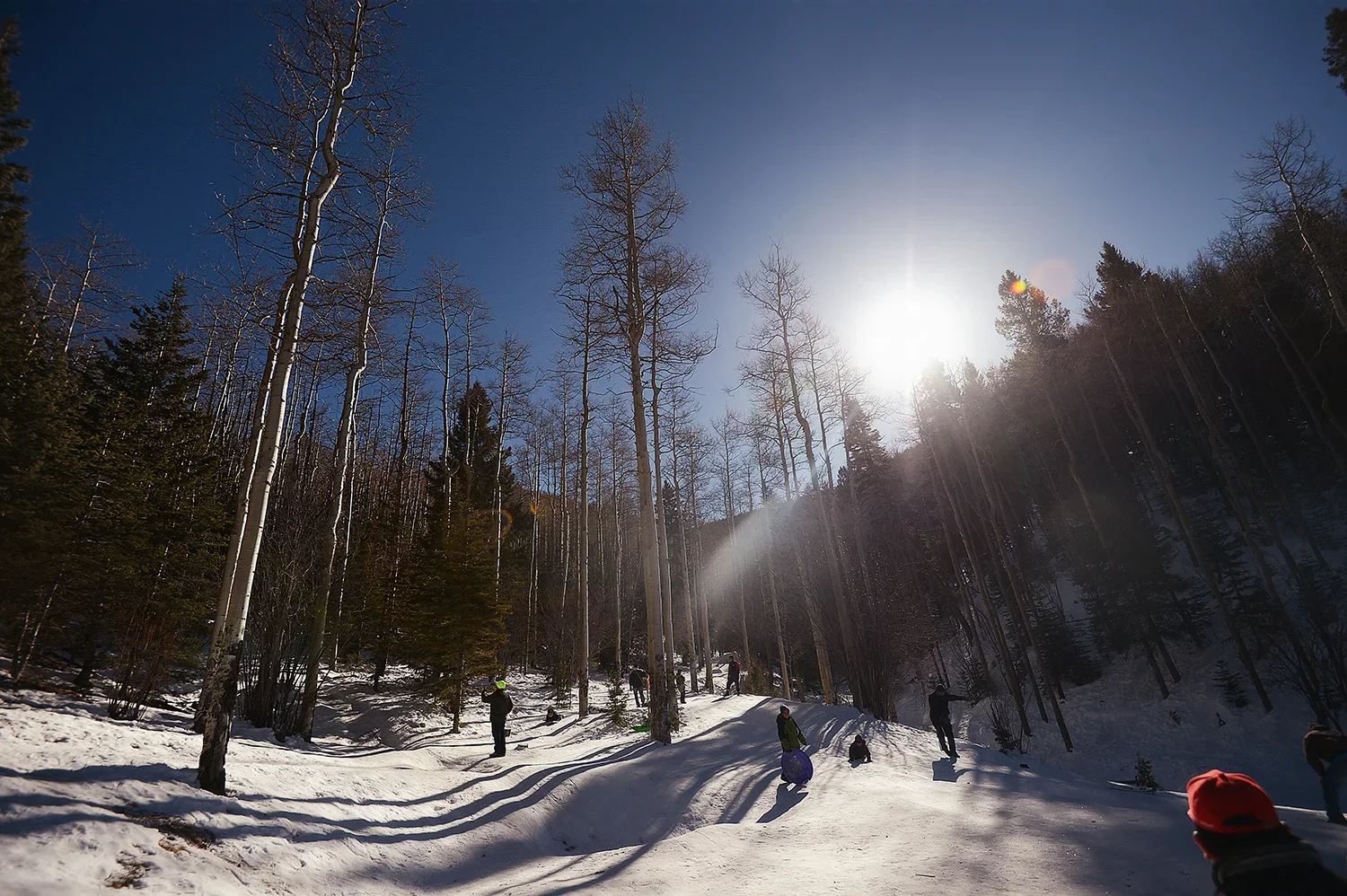
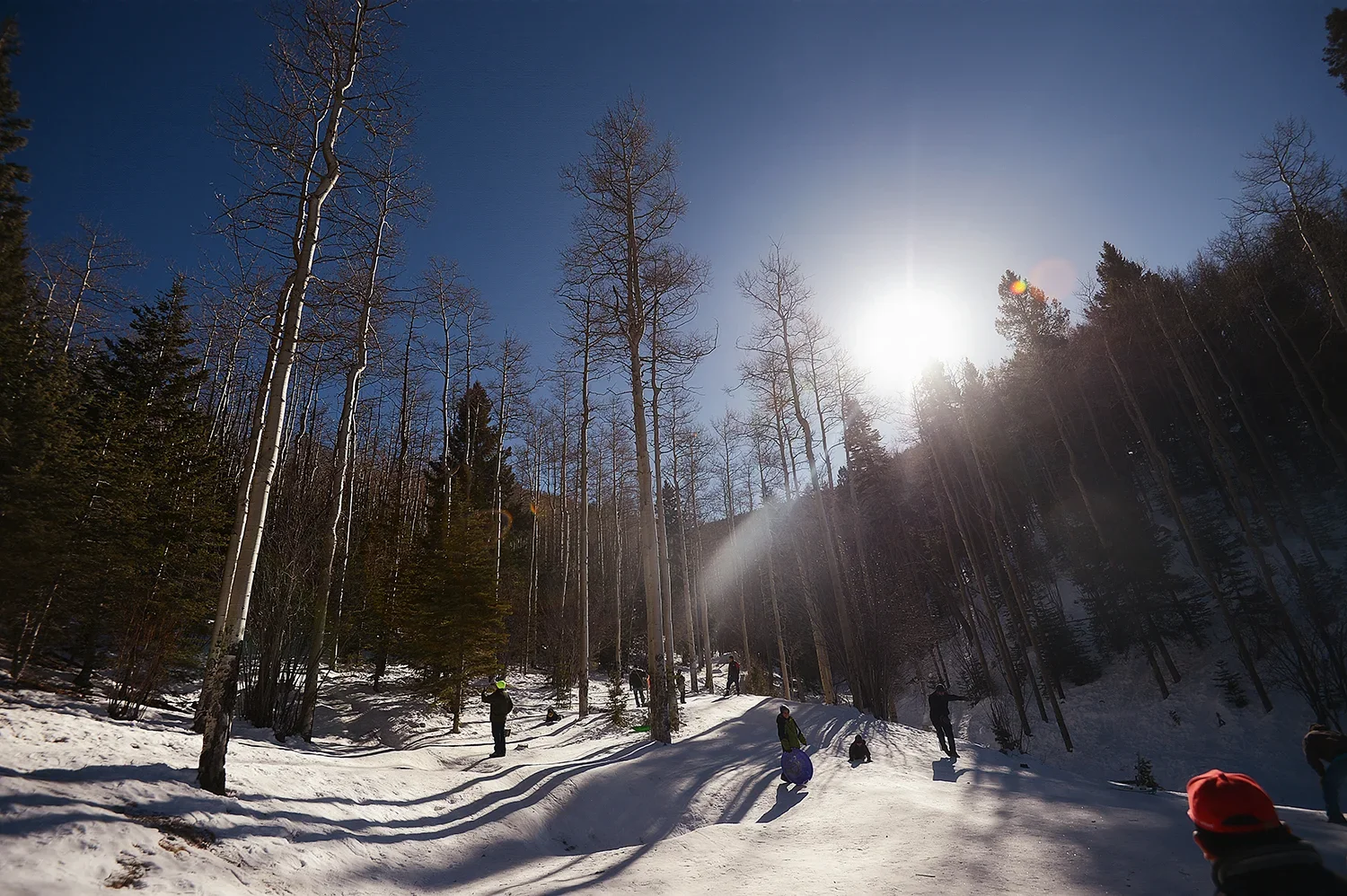
A couple of weeks ago, my new friend Mary taught me something that I didn’t know about aspens (which — in full transparency — wasn’t a particularly heavy lift for her, since before we talked, I didn’t know anything about aspens). It turns out that what we see as a single aspen tree is actually only a part of an intricate root system: the root system may lie dormant for years until conditions are right, and then the aspens (a group of which is called a “stand”) appear above ground. The root system continues to nourish the entire stand of trees — and in fact, it can be really difficult to kill a stand of aspens, because even if all the trees are chopped down, the root system can grow and reproduce so rapidly, once conditions are right again, more trees will appear.
“Because of this shared root system, the aspens take care of each other,” said Mary. “It’s incredible.”'
I thought about what she said, and her story of the aspens reminded me of the Bamboo Cathedral in Trinidad. To be clear, a cluster of bamboo isn’t the same as an aspen stand — bamboo is a grass, for one thing — but similarly to the aspens, bamboo share a common root system. More accurately, the plants that are visible above ground grow along an underground rhizome, a part of the root system that not only provides structure to the plants, but also stores nutrients for its health. And similarly to the aspens, you can cut down an entire forest, but if the rhizomes survive, more bamboo shoots will follow.
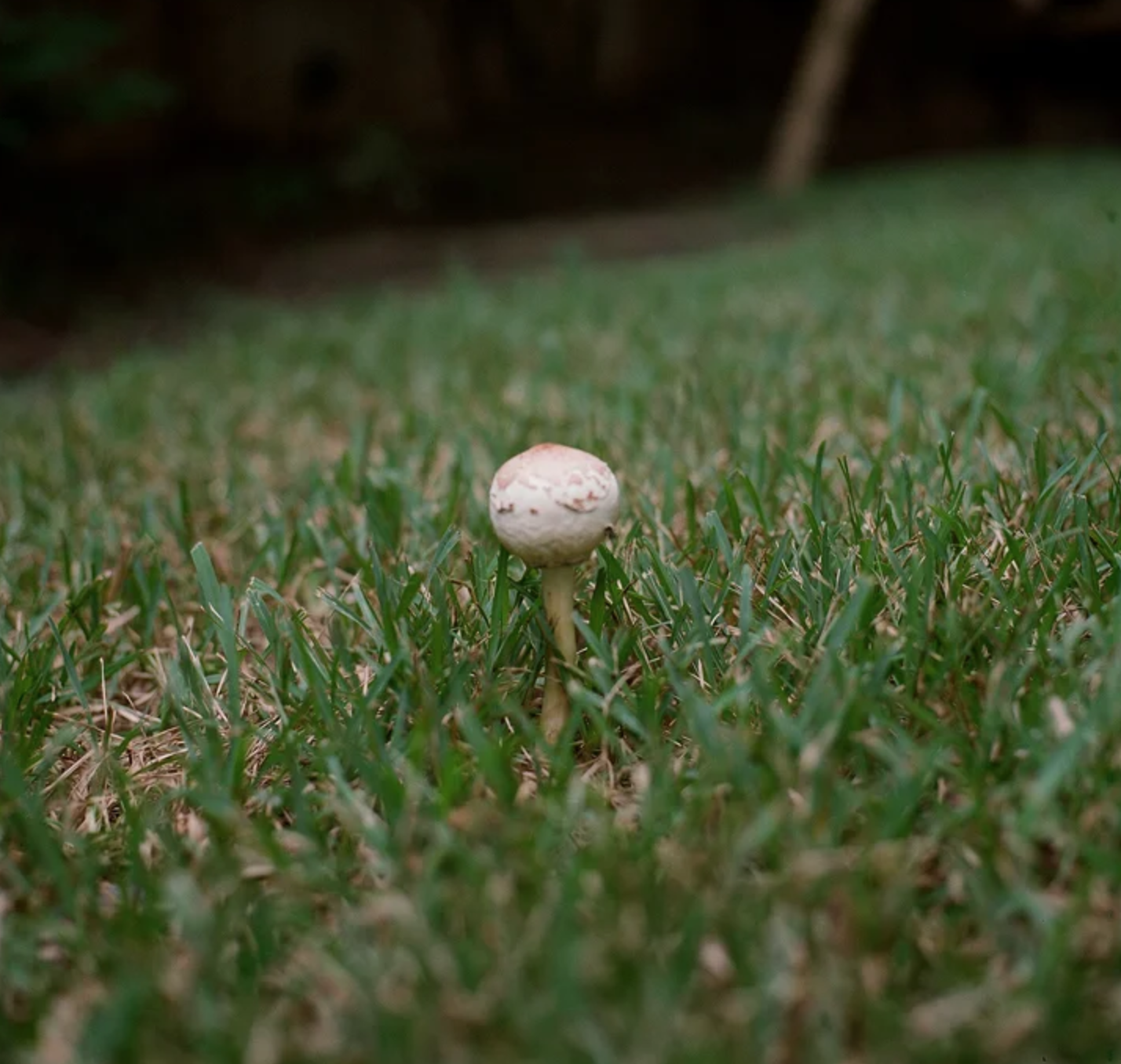
And then, after thinking about the bamboo, I thought of mycelium: the vegetative, root-like structure of fungi. I thought about how important mycelia are to the health of a forest: in addition to breaking down dead vegetation into nutrients for the living plants, it turns out that the trees of the forest may communicate to each other through mycelia. Trees feed saplings with mycelia. They even warn each other of danger. In this Smithsonian Magazine article about mycelia, the author notes that through mycelia, “trees of the same species are communal, and will often form alliances with trees of other species. Forest trees have evolved to live in cooperative, interdependent relationships, maintained by communication and a collective intelligence similar to an insect colony.” And stunningly, mycelia can theoretically live forever, as long as there’s a food source.
Imagine: these stands of aspens, clusters of bamboo, and even the “wood wide web” of mycelia can last for generations, in spite of the stressors of the external world. Nature is something, right?
And it occurs to me that maybe, just maybe, there’s something that we humans can learn from this — after all, we’re nature, too. What if, despite environmental, or governmental, or societal, or even capitalistic pressures, we found and cultivated communally compassionate ways to take care of each other? And I’m not talking about something formal on a huge city-wide scale, but more in an informal way, within our communities, or even close friend circles? Would intentionally unplugging from our online relationships to purposefully nurture our in-person relationships offline help us to thrive as a result? Would our descendants have a better chance of thriving?
Maybe I’m being hyperbolic, but I wonder if there’s something there — in a scientific, non-kumbaya way. I suspect there is. And I wonder would it would take for a critical mass of us to commit to doing so.
What do you think?